

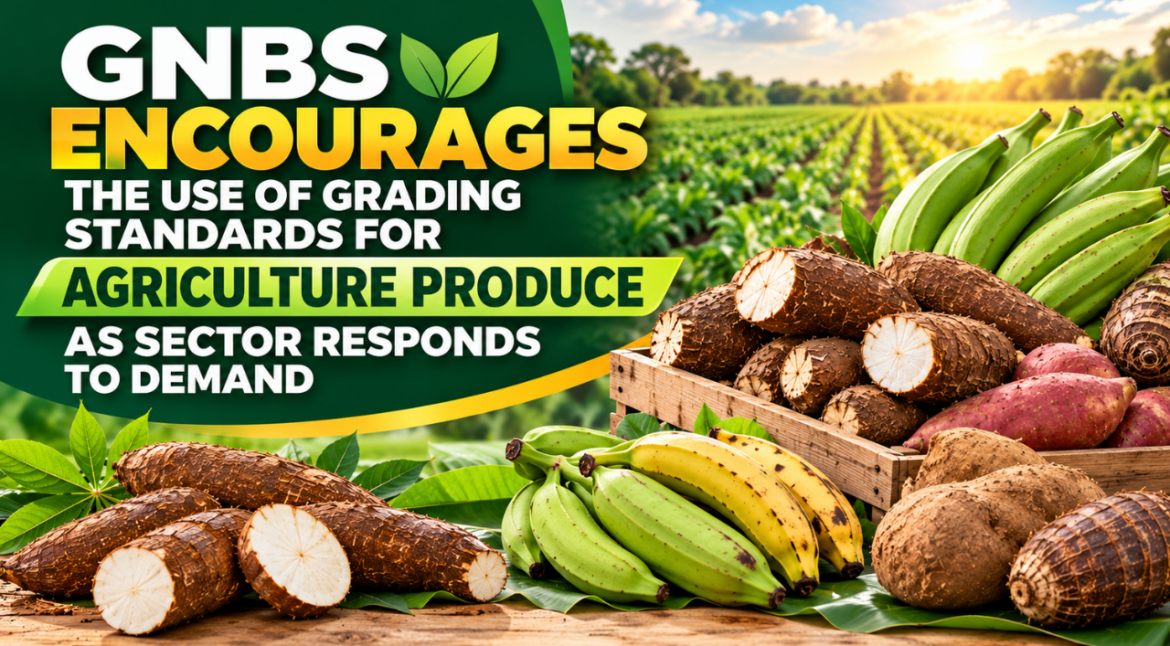
A delicious-looking fruit may catch the eye, but when it comes to selling agricultural produce, appearance is only part of the picture. Size, colour, maturity, freshness, quality and even how the produce is packed can determine where it goes, how much it is worth and whether it meets the expectations of the buyer. For Guyana’s farmers looking to supply local consumers or venture into regional and international markets, grading based on established requirements is crucial — it is an important step towards building a competitive agricultural sector.
As Guyana joins in the observance of Agriculture Month under the theme “Innovate, Nourish, Grow: Building a Strong and Sustainable Guyana,” attention is again being placed on the importance of agriculture to the country’s development. For the Guyana National Bureau of Standards (GNBS), this also provides an opportunity to highlight how the implementation of National Standards can help farmers, retailers, exporters and other stakeholders desirous of improving the quality and marketability of agricultural produce.
Among the National Standards available through the GNBS are standards for the grading of fresh fruits, vegetables and ground provisions. These standards provide requirements and specifications that allow agricultural produce to be identified and categorised according to characteristics such as size, colour, freshness, maturity and other quality attributes.
For example, GYS 74:2022 – Specification for Grade of Fresh Agricultural Produce – Bananas establishes the minimum requirements for fresh dessert bananas and covers characteristics including shape, colour, defects, size, odour and other abnormalities. The standard was adopted from the Caribbean Community (CARICOM) Regional Organisation for Standards and Quality (CROSQ). In fact, in the interest of harmonising standards across the region, most of these standards have been adopted from this Regional Standards Body.
At first glance, grading may appear to be simply a matter of separating larger fruits from smaller ones. However, a grading standard establishes a more consistent basis for determining the quality and characteristics of a particular commodity. This consistency is important because it creates a common understanding between the farmer, buyer, retailer and consumer.
For a farmer, grading can help to organise produce according to quality and intended market. This allows buyers to make purchasing decisions based on clearly defined characteristics and gives producers a clearer basis for presenting their produce to the market.
GNBS recognises that grading standards can clearly communicate specifications, assist in determining prices and help ensure that quality produce is delivered to customers. They can also help businesses better manage their grading processes and meet customer expectations.
Grading standards are also available for produce such as limes, pineapples, pumpkin, watermelons, cucumbers, fresh ginger, hot peppers, cabbage, green plantains, sweet oranges, eddoes, grapefruits and other agricultural produce. Alongside grading standards, GNBS also has standards and codes of practice addressing other agriculture-related aspects such as food safety, packaging, transportation, labelling, hygiene and sanitation.
As Guyana seeks to expand its agricultural production and develop greater opportunities for local and regional trade, a firm approach would be to follow the guidelines of available National Standards. These requirements can support a more consistent journey of produce from farms to consumers.
For more information on agriculture and other standards, contact the GNBS at 219-0064/66, via WhatsApp at 692-4627 (GNBS), or email info@gnbsgy.org.