
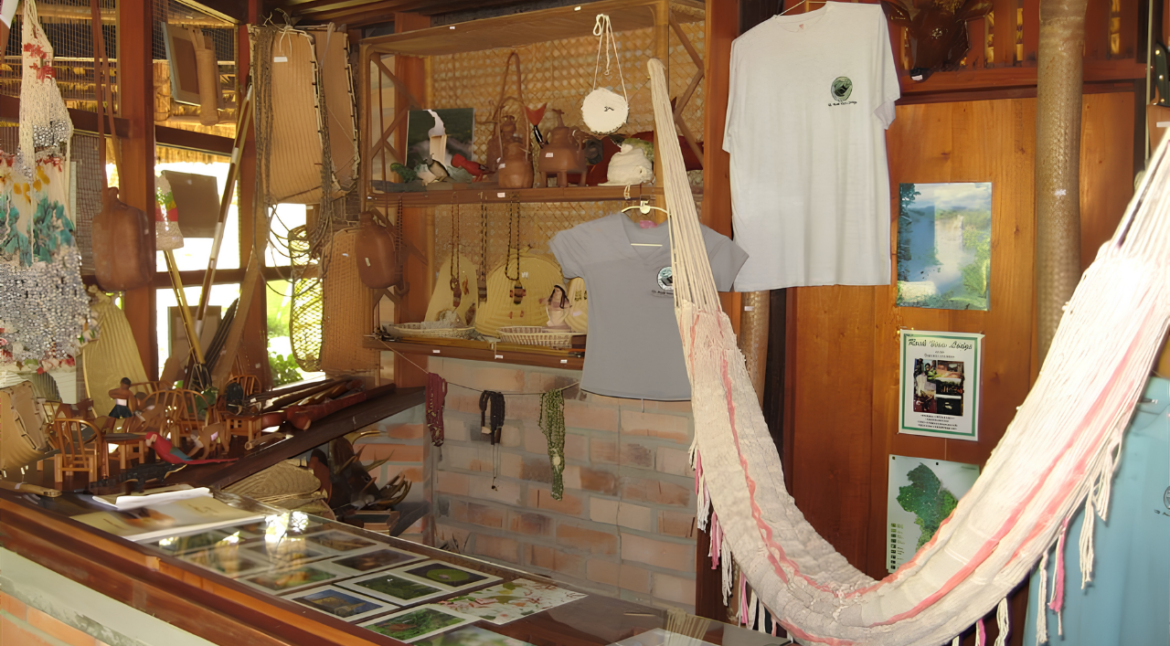
Guyana’s indigenous peoples are known for their craftsmanship. Using materials from their surroundings and skills perfected over time, they continue to design unique traditional and non-traditional items. One of the common materials used is wood from the various species harvested from trees surrounding indigenous communities in Guyana’s hinterland regions. From this, miniatures, utensils, canoes and other handicrafts are made for sale to support several indigenous village economies.
Through standards, the Guyana National Bureau of Standards (GNBS) can play an important role in maintaining the viability of artisans’ businesses within the traditional craft industry, while at the same time supporting local tourism. One of these standards is the “Code of Practice for Manufacture of wooden craft items (GCP 31:2010)”, which was adopted from CARICOM. The standard seeks to promote the quality of wooden craft items.
Focused more on performance than on prescriptive requirements for craft items, GCP 31 establishes the minimum requirements for the manufacture and production of wooden craft items. However, it does not apply to production techniques used solely for high-volume output if such techniques: a) do not add to the overall quality and design; and b) are not performed with the skill and craftsmanship required.
Even though the Standard is voluntary, artisans can implement its requirements to improve their productivity and capability to access regional markets. Focused on work made by craft persons by hand, the Code of Practice is applicable to the manufacturing stage or to the point of sale. Hence, for artisans, it is a production guide, while for consumers, it is a guide to encourage production and to ensure quality requirements are met.
Importantly, even though some craftspeople and manufacturers may employ tools, technology and other expertise to improve efficiency and production, the standard is still useful to ensure quality and consistency.
Meanwhile, requirements for supplies used in production are outlined in the standard. According to the document, wooden materials used in the production of craft items should be carefully selected to ensure they are appropriate. To fulfil the requirements, artisans must consider the maturity of the wood, durability when exposed to normal tropical and equatorial environmental conditions, and signs of decay or insect attack, among others.
In relation to adhesives, it is required that glues and pastes be durable and non-toxic, and, where possible, water-based. For craft items intended to be used for food preparation or storage, only food-safe glues shall be used. Similar requirements are outlined in the document for finishes and finishing materials.
Significantly, the standard restricts the use of reclaimed wood for crafting utensils unless the history of the wood is clearly known. To defend this requirement, the standard notes that some wood may have been sprayed with poison in its previous use to reduce or eliminate termites.
Finally, labels on each item shall include the name and address of the manufacturer or trader, type of dominant material, type of finish and a precautionary note for general use and care.
As the Government prepares to host the National Toshaos’ Council (NTC) Conference from July 20-24, 2026, under the theme “Empowering Leadership while Building Sustainable Village Economies through Inclusive Partnership”, GNBS encourages the use of this national standard as a production guide for wooden craft makers across Amerindian communities. Once these items are made to the requirements, broader market opportunities become within reach for those manufacturing at the individual or collective level.
To purchase a copy of the Code of Practice for the Manufacture of wooden craft items, contact the GNBS on telephone numbers: 219-0064-66 or WhatsApp us on 692-4627.